


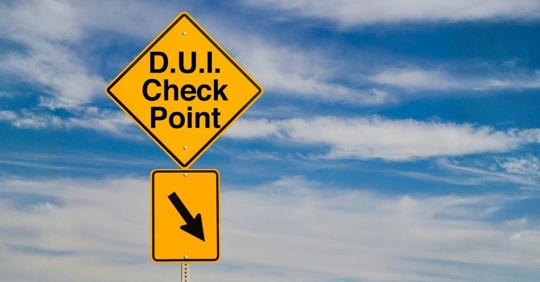
A DUI checkpoint stop can be an unsettling experience, especially when you are unsure what officers are allowed to do or what your rights are during the encounter. Even if you have never been arrested before, the situation can escalate quickly from a brief roadside stop to questions, testing, and possible criminal charges. Understanding how checkpoint stops work in Florida can help you stay informed and make better decisions in a stressful moment. The details of the stop may also play an important role in any defense strategy that follows.
Why DUI Checkpoints Are Allowed
Florida law allows DUI checkpoints, sometimes called sobriety checkpoints, under specific constitutional limits. Law enforcement agencies cannot simply stop drivers at random without a plan. These checkpoint operations generally require advance guidelines that outline where the stop will happen, how vehicles will be selected, and what officers are expected to do during the encounter. If those procedures are not followed, it may affect whether evidence gathered during the stop can be challenged later.
Understand What Officers May Look For
A checkpoint stop often begins as a brief interaction, but officers are trained to look for signs that may justify a deeper investigation. Knowing what they typically focus on can help explain why a routine stop sometimes turns into an arrest.
- Visible signs of impairment: Officers may watch for red eyes, slurred speech, fumbling with documents, or the odor of alcohol.
- Driver responses: The way a person answers basic questions may be used to support suspicion of impairment.
- Vehicle-related observations: Open containers, the smell of alcohol, or other items in plain view may become part of the evidence.
These observations can quickly shape whether the officer asks a driver to move to a secondary screening area for additional evaluation.
When a Stop Becomes a DUI Investigation
Not every checkpoint encounter leads to a DUI arrest. Many stops last only a short time and end after the officer checks for signs of impairment. However, if the officer believes there is reasonable suspicion, the stop may expand into roadside questioning, field sobriety exercises, or chemical testing requests. This transition point is important because the justification for extending the detention may later be reviewed as part of the defense. Video footage, officer reports, and witness accounts may all help clarify whether the investigation was lawfully expanded.
Evidence Issues at Checkpoints
Evidence gathered at a checkpoint can be challenged for several reasons. The legality of the checkpoint itself, the way officers conducted the stop, and the reliability of any testing may all become relevant.
- Checkpoint procedures: Agencies must follow neutral rules for stopping vehicles rather than using arbitrary selections.
- Field sobriety conditions: Lighting, traffic noise, weather, and roadway conditions may affect performance.
- Chemical testing concerns: Breath test maintenance, timing, and administration can influence reliability.
A careful review of how the checkpoint was planned and how the evidence was collected may reveal important weaknesses in the case.
Immediate Consequences
A DUI checkpoint arrest can create both criminal and administrative issues. Beyond the court process, your driver’s license may be affected quickly depending on whether testing was completed or refused. Insurance concerns, employment consequences, and future background checks may also become part of the bigger picture. Understanding these immediate and long-term effects helps shape decisions about how to respond to the charge and whether certain evidence should be challenged.
Review Your Checkpoint Stop With Ali & Blankner
The legality of a DUI checkpoint stop often depends on details that are easy to miss in the moment. How the checkpoint was set up, why the stop was extended, and how evidence was collected can all affect the strength of the case. Ali & Blankner provides strategic defense guidance for people dealing with DUI checkpoint arrests in Florida and can help identify whether your rights were violated during the stop. Contact Ali & Blankner today at (407) 753-1312 to discuss your DUI checkpoint stop and protect your rights moving forward.