


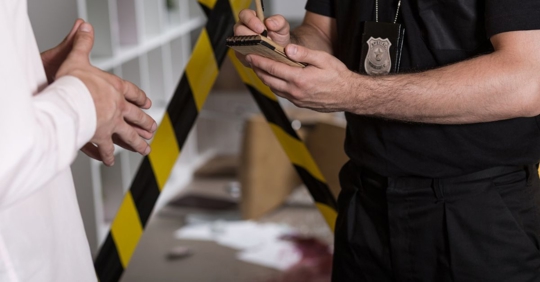
Learning that law enforcement wants to speak with you can be overwhelming, whether you believe you have done something wrong or not. Many people assume that cooperating fully by answering every question will quickly resolve the situation, but that is not always the case. Even casual conversations with investigators can become part of a criminal case later. Understanding a few key considerations before speaking with the police can help you make informed decisions while protecting your legal rights.
Understand Why Police Want to Speak With You
Police officers may request an interview for many reasons. You could be considered a witness, a person of interest, or someone they believe has information related to an investigation. In some situations, officers may not immediately explain your role or disclose all the details they have already gathered. Knowing that an investigation may be further along than it appears can help you approach the situation carefully instead of making assumptions about why you were contacted.
Know Your Rights During Police Questioning
Before answering questions, it is important to understand the rights available under the law. These protections exist regardless of whether an arrest has occurred.
- The right to remain silent: You are generally not required to answer investigative questions that could be used against you.
- The right to legal counsel: You may request to speak with an attorney before participating in questioning.
- The right to decline a voluntary interview: If you are not under arrest, you may be able to refuse an interview or arrange to communicate through your attorney.
Understanding these rights does not prevent an investigation, but it can help ensure important decisions are made with a clear understanding of the legal process.
Be Careful About What You Say
Many criminal cases involve statements made before formal charges are ever filed. People sometimes believe they can explain away a misunderstanding or clear up confusion by speaking freely with investigators. However, even accurate statements may later be interpreted differently when combined with other evidence. Small inconsistencies, incomplete recollections, or attempts to guess at details can create unnecessary complications. Taking time to understand the situation before providing information is often an important part of protecting your interests.
Situations That Can Affect an Investigation
Every criminal investigation develops differently, and several factors may influence how interactions with law enforcement unfold.
- Voluntary interviews: Officers may ask you to come to the station or speak by phone without placing you under arrest.
- Recorded conversations: Interviews, phone calls, or body camera footage may preserve statements that become evidence later.
- Search requests: Officers may request permission to search your vehicle, home, or personal belongings during an investigation.
The circumstances surrounding these interactions may become important if questions later arise about how evidence or statements were obtained.
Avoid Common Mistakes During an Investigation
People often make decisions during stressful situations that unintentionally complicate a criminal case. Posting about the investigation on social media, discussing details with friends or coworkers, deleting electronic records, or attempting to contact other people involved in the investigation can all create additional concerns. Remaining calm, avoiding speculation, and seeking legal guidance before responding to investigative requests can help reduce unnecessary risks while the matter is being evaluated.
Speak With Ali & Blankner Before Answering Investigators’ Questions
The decisions made during the early stages of a criminal investigation can have a lasting impact on the direction of a case. Understanding your rights, knowing when to speak, and recognizing how statements may be used are all important considerations before meeting with law enforcement. Ali & Blankner provides strategic criminal defense guidance for individuals involved in investigations throughout Florida and can help you evaluate the circumstances before speaking with police. Contact Ali & Blankner today at (407) 753-1312 to discuss your situation and protect your rights before taking the next step.